Profiting from Canada’s free trade agreements
Understand how foreign investment promotion and protection agreements (FIPAS) can help your business.

Foreign investment promotion and protection agreements

MyEDC account
Manage your finance and insurance services. Get access to export tools and expert insights.
Understand how foreign investment promotion and protection agreements (FIPAS) can help your business.
Foreign investment promotion and protection agreements (FIPAs) establish the mutual rights and obligations of the partner countries when dealing with investors. The goal is to ensure that investors are treated in the same way as domestic investors and will, for example, be protected against political risks such as expropriation or currency controls. Unlike free trade agreements, FIPAs have no bearing on trade in goods or services, only on investments.
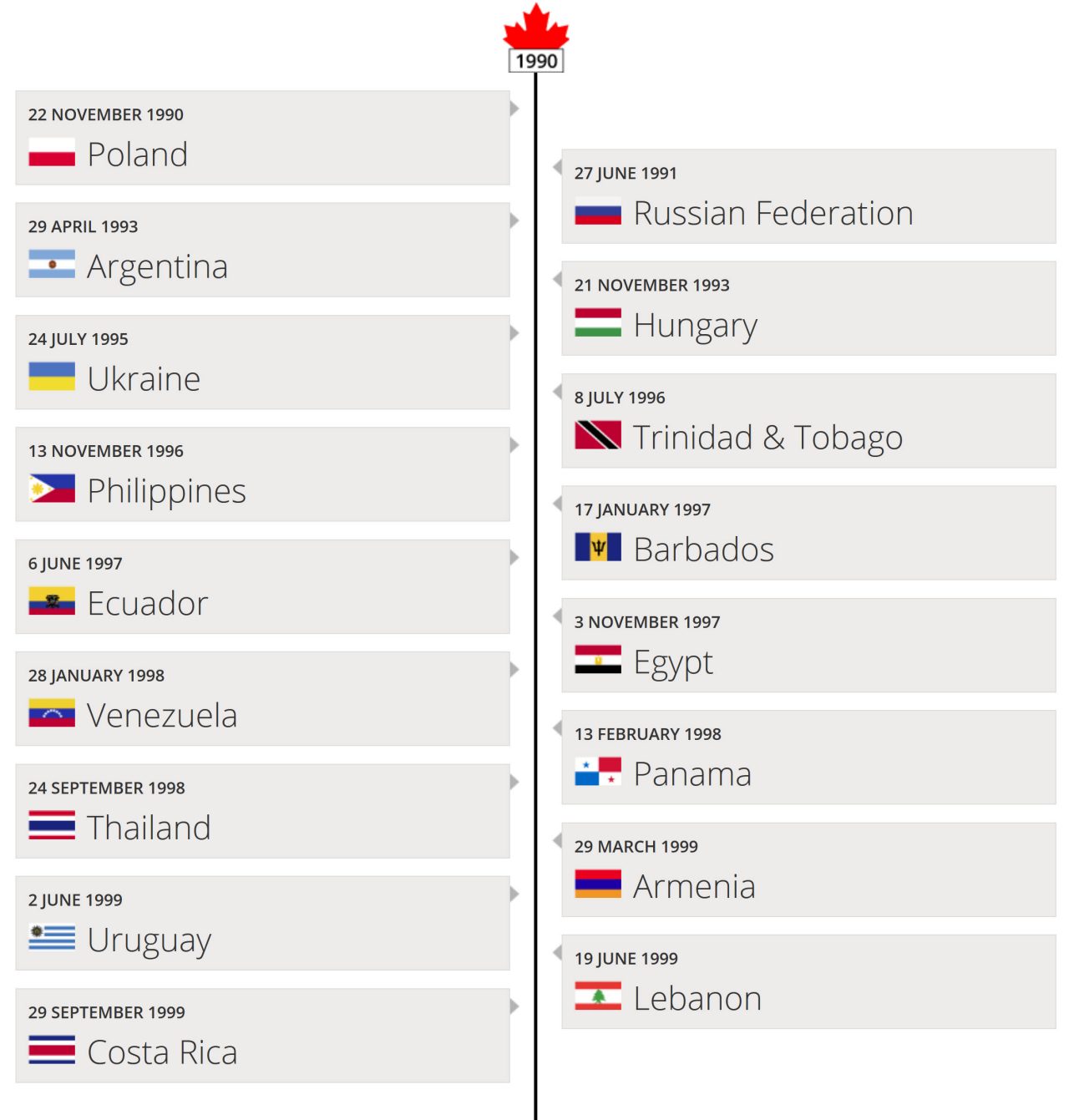
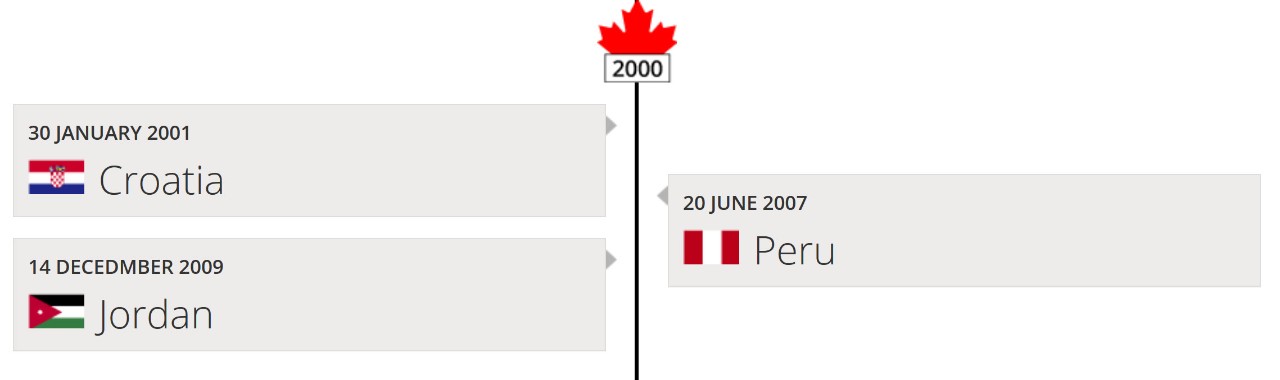
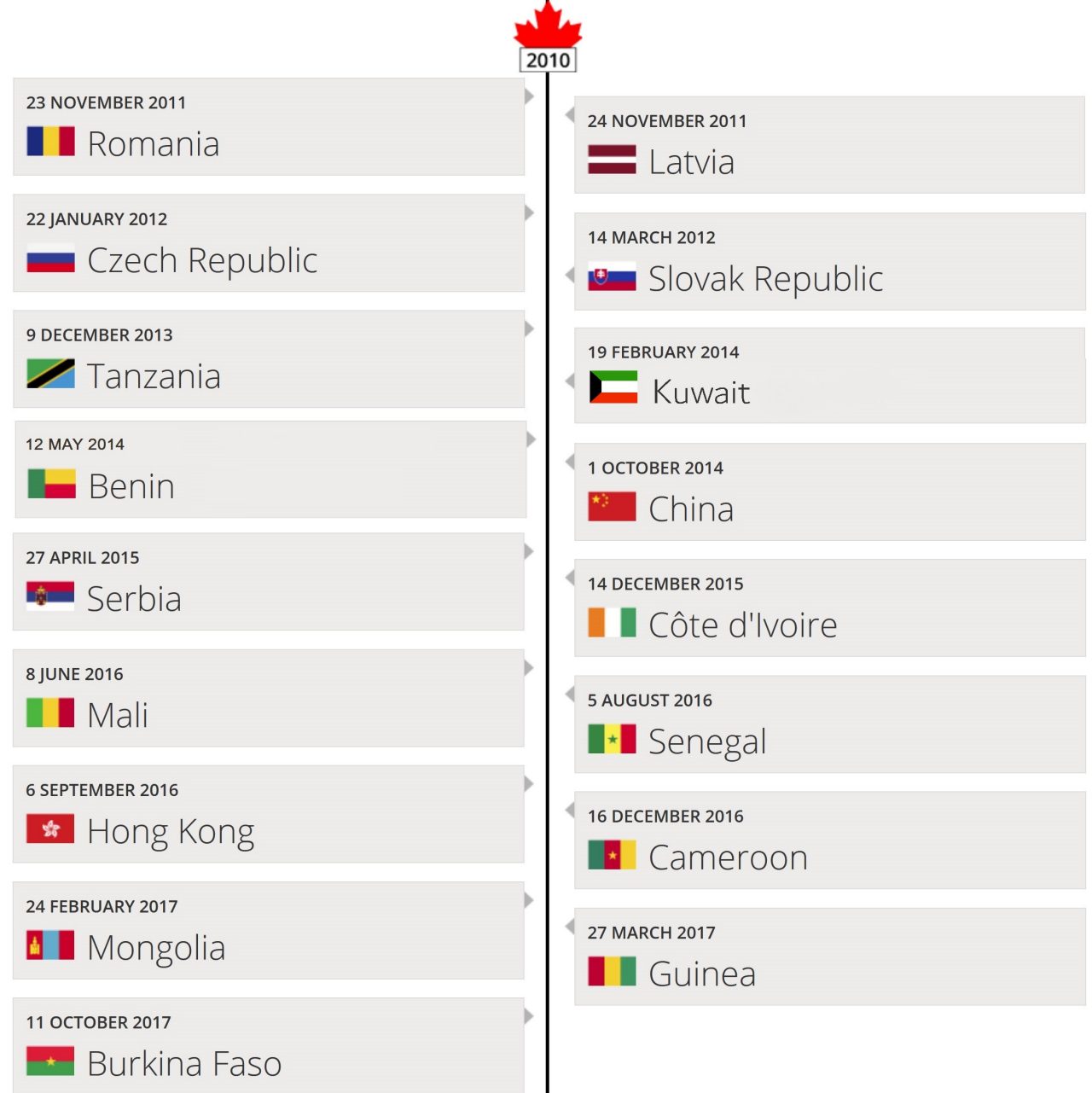
Canada has FIPAs with 36 countries around the world. While the details vary from one agreement to another, they normally deal with matters such as these:
The presence or absence of a FIPA can be important when you’re deciding whether to invest in another country—for example, if you want to set up an affiliate or buy a local business. If there is an agreement in force, your new company will enjoy all the privileges and rights of a locally owned firm and can’t be penalized for being internationally owned. So, all other things being equal, investing in a country that has a foreign investment protection agreement may be preferable to investing in one that doesn’t.
Details of Canada’s FIPAs are available in the Trade and Investment Agreements section of the Global Affairs Canada web site.
11 min read
10 min read